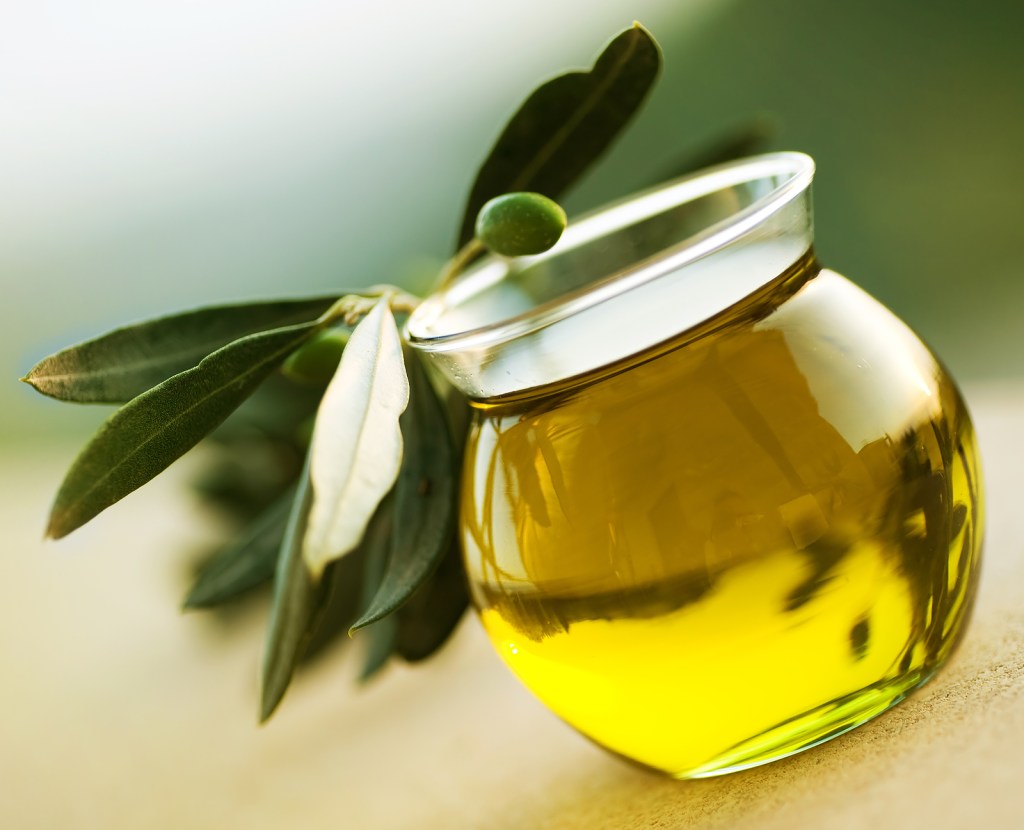
All olive oils are not created equal. Sure, it’s true that olive oil is widely considered part of a healthy diet—and here’s why: olive oil contains monounsaturated fat that can lower your risk of heart disease by reducing the total and low-density lipoprotein (LDL) cholesterol levels in your blood. About two tablespoons a day can make a marked difference in your heart health.
What you need to know about choosing olive oil.
Great! You want your heart to be healthy, but then you go to the store to buy your oil and you’re met with rows and rows and a wide variety: olive oil from Spain, from Greece, from Italy; an array of colors, with different descriptors… What does it all mean and how do you decide? Let’s break it down, so you can easily navigate the olive oil aisle, decipher labels and make an informed decision:
- Organic The olives are raised using earth-friendly farming techniques. No chemicals or pesticides are used and the olives are not genetically modified.
- Cold-pressed During processing, the oil was not heated over 80° F so it retains nutrients that would have been destroyed by heating. Cold-pressed olive oil retains its wonderful flavor and aroma and has the highest levels of polyphenols, powerful antioxidants that can also promote heart health.
- First Cold-Pressed Made with the first pressing of the olives. This oil is unaltered and retains its natural aroma and flavors.
Note: “First cold-pressed” will appear only on bottles of extra virgin olive oil. If you’re looking for “first cold-pressed extra virgin olive oil” and the label only says “first cold-pressed,” don’t worry—it’s the same thing.
- Extra Virgin This oil is obtained only from the fruit of the olive tree, using solely mechanical or other physical means which do not alter it in any way, meaning the oil is extracted without the use of heat, chemicals or solvents and has not undergone any treatment other than washing, decanting, centrifuging and filtering. Furthermore, in order to be labeled “extra virgin” the oil must be of superior flavor.
- Virgin Olive Oil From subsequent pressing or processing of the olives and extracted without the use of heat, chemicals or solvents as described above.
- Ordinary Olive Oil A blended oil product, starting with low-quality virgin oils. To be fit for consumption, these oils are highly refined and are essentially tasteless and colorless. To be sold as “olive oil,” some good quality olive oil is added to provide color and taste.
Note: “Pure” olive oil is made by adding a little extra virgin olive oil to refined oil. This, too, is a lesser grade oil and is also labeled simply as “olive oil.”
- Light/Extra Light Olive Oils Don’t misunderstand this—“light” and “extra light” olive oils have the same calories and fat as all the aforementioned olive oils (120 calories, 14 g per tablespoon). In this case, “light” is a marketing concept and not a classification of oil grades; in truth, it refers to taste and aroma only. This is a blended product and may contain non-olive oils. Due to a lack of regulation, there is no real precedent as to the contents of “light” or “extra light” olive oil.
Now that you know what the heck those olive oil labels are talking about, you can choose the one that’s best for you.


Leave a comment